
Uncovering the truth behind common gambling myths and misconceptions
The Myth of the Lucky System
One of the most pervasive myths in gambling is the belief that there is a surefire system or strategy that guarantees wins. This misconception often leads players to invest time and money into unproven methods, thinking they can outsmart the odds. The truth is that gambling outcomes are predominantly random, particularly in games of chance like slots and roulette. While some strategies may enhance the experience, they do not change the underlying probabilities. For Kiwi players seeking reliable options, exploring new online casinos nz can reveal sites designed to support responsible gaming.
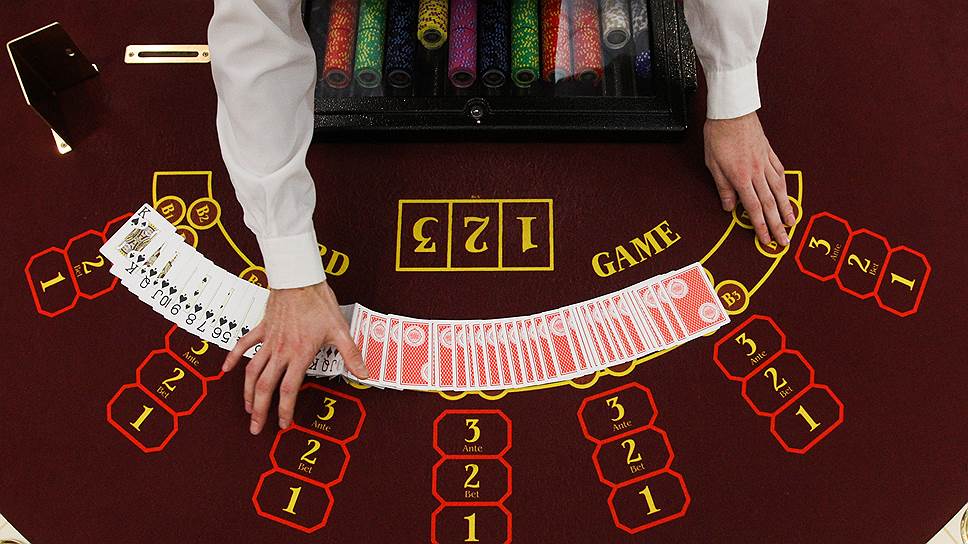
Understanding that every game has a built-in house edge is crucial. Casinos design their games to ensure that, over time, they will always come out ahead. Players can improve their chances in skill-based games like poker through practice and strategy, but no system can consistently beat the house in the long run.
Gambling Is a Quick Way to Get Rich
Many people view gambling as a shortcut to wealth, enticed by stories of big winners. However, the reality is starkly different. For every success story, there are countless tales of financial loss and hardship. Gambling should be viewed as a form of entertainment rather than a reliable source of income. Players often overlook the risks involved and the fact that most gamblers do not come out ahead. Understanding sports betting trends can provide clarity on what to expect in these scenarios.
To combat this myth, it’s essential to set realistic expectations. Establishing a budget and viewing gambling as a leisure activity can create a healthier mindset. It allows players to enjoy the thrill of the game without the pressure of chasing unrealistic profits.
The Idea of Chasing Losses
Chasing losses is another common misconception that can lead gamblers down a dangerous path. This belief suggests that if a player continues to gamble after losing, they are likely to eventually win back their losses. In reality, this mindset often leads to even greater losses, as players may wager more in a desperate attempt to recover funds. This cycle can quickly spiral out of control.
Recognizing the importance of knowing when to walk away is vital for any gambler. Establishing limits and sticking to them can prevent emotional decision-making and promote a healthier approach to gambling. It’s essential to accept losses as part of the experience and not as a reason to continue betting.
The Gambler’s Fallacy
The gambler’s fallacy is the belief that past outcomes affect future probabilities in games of chance. For example, if a coin lands on heads multiple times in a row, some might assume tails is «due.» This line of thinking is flawed, as each flip is an independent event, and previous results do not influence future ones. Understanding this can help players make more informed choices during gameplay.
This misconception can lead to poor betting decisions based on faulty logic. Awareness of how probability works can empower players to make rational decisions rather than relying on superstition or faulty reasoning. Educating oneself about the nature of odds and randomness is essential for anyone looking to improve their gambling experience.

About Us and Responsible Gaming
Our website is dedicated to providing insightful and accurate information about gambling, helping players navigate the complex world of betting. We aim to dispel myths and provide guidance on making informed decisions in a responsible manner. Our expert reviews and insights ensure that players have access to the latest and most relevant information.
In promoting responsible gaming, we emphasize the importance of understanding the risks involved. Our goal is to foster a safe environment where players can enjoy gaming responsibly. We provide resources and tools to help players manage their gambling habits and encourage a balanced approach to entertainment.
No Comment